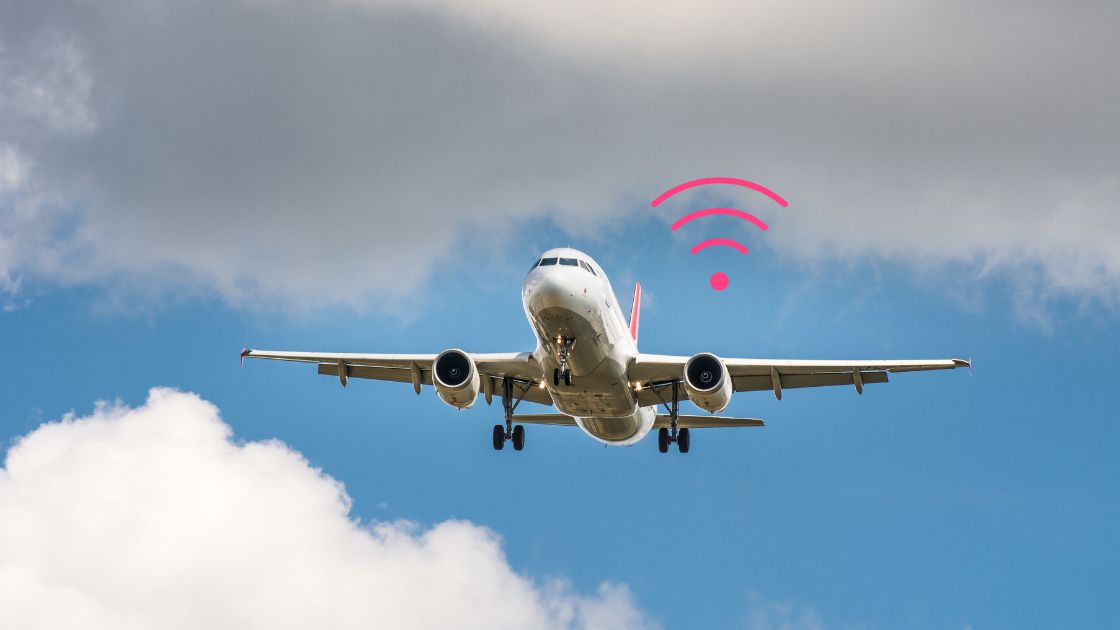
In a move that feels like a step backward for travelers, American Airlines and United Airlines are quietly phasing out their partnership with T-Mobile for inflight WiFi.
For years, T-Mobile customers enjoyed one of the simplest perks in wireless: free, reliable WiFi in the air. No complicated logins, no surprise fees—just connect and go. But that experience is now “winding down” as both airlines shift toward building their own in-house WiFi programs.
On paper, that might sound like progress. In reality, it’s a mixed bag at best.
Airlines say they’re expanding free WiFi through loyalty programs and new technology partnerships. United, for example, has been heavily promoting its upcoming satellite-based service powered by Starlink. The promise? Faster speeds and broader coverage. The reality? It’s still months—if not longer—away from being widely available.
In the meantime, travelers are losing a benefit that already worked.
T-Mobile confirmed the shift in a statement, noting that airlines are moving toward “sponsored in-flight connectivity” tied to their own ecosystems rather than wireless carriers. Translation: instead of rewarding your phone plan, airlines want you inside their loyalty program.
And that’s where things start to feel a little… off.
What used to be a straightforward perk is turning into another layer of friction. Instead of simply being a T-Mobile customer, you may now need to sign up for an airline account, track your membership status, and hope the WiFi rollout in your aircraft is actually complete.
Main takeaway: This isn’t really about improving the customer experience—it’s about control. Airlines want to own the relationship, the data, and the upsell opportunities.
To be fair, free WiFi for everyone sounds great in theory. If United’s Starlink rollout delivers fast, consistent, gate-to-gate connectivity, it could be a major upgrade. But until that happens, passengers are stuck in an awkward transition period where a proven benefit is disappearing before the replacement is ready.
And that’s the frustrating part.
Airlines have a long history of removing things that work in favor of promises that might work later. From shrinking seat space to added fees for basic services, the pattern is familiar.
Callout: If you currently rely on T-Mobile’s inflight WiFi perk, expect it to become less available over the coming months—especially on American and United flights.
At the end of the day, inflight WiFi should be simple: get on the plane, open your laptop or phone, and connect. No hoops. No gimmicks.
But as this shift shows, simplicity doesn’t always win in the airline industry.
Final thought: Airlines might be moving toward “free WiFi for all,” but the transition proves a bigger truth—just because something is branded as an upgrade doesn’t mean it actually feels like one.